
Aug 4th 2026
The "Everyday-to-Gourmet" Changeover
A turning point inevitably arrives for every expanding confectionery brand. The recipes are perfected, and the products taste exceptional, yet the packaging still feels entry-level. This is typically when confectioners begin looking for premium candy boxes that truly match the quality of the treats inside; a minor adjustment that significantly alters how customers perceive your brand.
When Standard Packaging No Longer Fits Your Brand
Initially, utility and cost take precedence over aesthetics. A basic bag or a lightweight carton serves its purpose effectively by safeguarding the product and minimizing expenses.
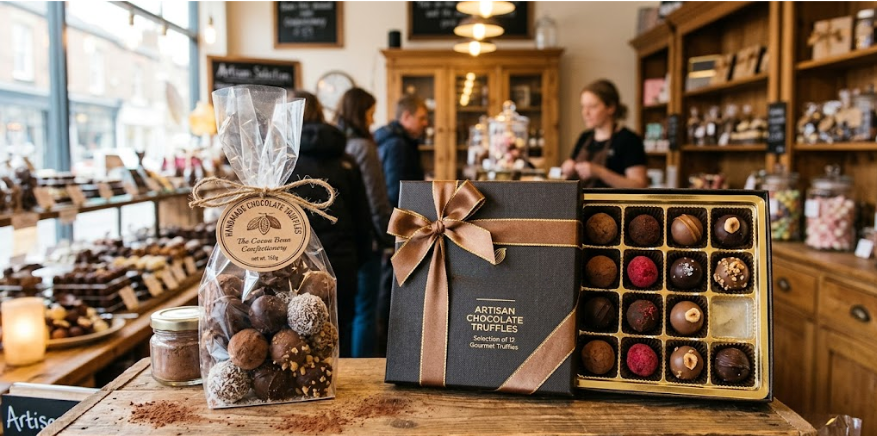
However, as your business expands, that same functional wrapping can begin to hinder your progress. Buyers associate what’s inside with the external appearance. When the product and the packaging convey different values, it’s a clear indicator that your brand has outgrown its initial packaging.
Signaling Craftsmanship as Your Brand Matures
As confectionery brands mature, packaging becomes part of the product story. It's not just protection; it's proof of care.
Sturdier construction, refined finishes, and thoughtful details tell customers this product was made with skill. That perception supports higher price points, especially for artisan and small-batch goods.
Premium packaging also plays a role in gifting. Holiday orders, corporate gifts, and retail displays all benefit from chocolate gift boxes that look intentional. Customers are often willing to pay more when the packaging feels like part of the experience.
The Tactile Influence of Weight, Rigidity, and Texture
Before even tasting a confection, customers form judgments about its quality based heavily on tactile experiences, such as the package's weight, how securely the lid fits, or the smoothness of a matte finish.
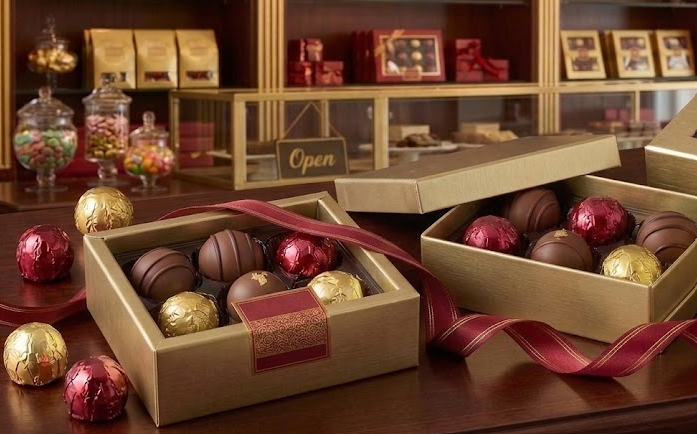
This phenomenon explains why structured packaging, such as ballotins, carries such enduring associations. Their distinctive rigid form and traditional hinged lids evoke old-world confectionery craftsmanship, instinctively leading buyers to anticipate a luxury product inside.
In particular, a few key physical characteristics play a vital role in shaping these perceptions:
- The box's weight and overall rigidity, which signal structural integrity and attentive care
- The specific style of the lid, such as nested or hinged
- The outer texture and finish, ranging from textured stock to sleek matte or gloss options
Working in tandem, these sensory details establish powerful first impressions before the package is opened.
Let's Create Boxes That Match Your Product's Quality
It’s not uncommon for growing brands to find that their current packaging no longer reflects the quality of their products.
At Glerup Revere Packaging, we guide confectionery and gourmet food creators through this evolution seamlessly. We provide an array of ready-to-ship stock solutions, such as candy boxes, folding boxes, and ballotin-style options. For businesses requiring a more distinct approach, our team crafts custom boxes tailored precisely to your product specs, brand identity, and needs.
Finding the perfect solution doesn’t require guesswork. Get in touch today, and let us help you select the ideal packaging to support your brand's future.
Frequently Asked Questions
Do I need custom boxes, or are stock options enough?
It depends on your goals. Stock boxes work well for standard sizes and faster turnaround. Custom boxes are a better fit if you need specific dimensions, branding, or a unique shape for your product line.
How early should I plan for seasonal packaging, like Valentine's or holiday boxes?
It's best to plan at least 60 days in advance. Seasonal demand rises quickly, and early planning helps ensure your packaging is ready well before the buying season starts.
Are your boxes food-safe for direct contact with chocolate or candy?
Yes. Our food-safe packaging is built to meet safety standards for direct contact with confectionery items, giving producers peace of mind alongside a polished presentation.