
Jul 2nd 2026
The Paper Shift: Why Gourmet Brands Are Rethinking Luxury Packaging
As modern consumers increasingly align their purchasing power with their environmental values, sustainable food packaging has evolved from a niche eco-friendly trend into the ultimate marker of modern luxury. No longer viewed as cheap or utilitarian, paper and bio-based alternatives are being elevated through masterful engineering, avant-garde design, and exquisite textures. We explore how the world’s finest confectioners are reducing traditional plastics, embracing the tactile beauty of sustainable paper, and proving that true luxury doesn't have to cost the Earth.
Luxury Reimagined: The Rise of Sustainable Food Packaging
The traditional hallmarks of premium packaging – ornate designs and heavy gloss – are being replaced by a new standard of excellence. Today, intentionality, artisanal craft, and environmental stewardship define luxury.
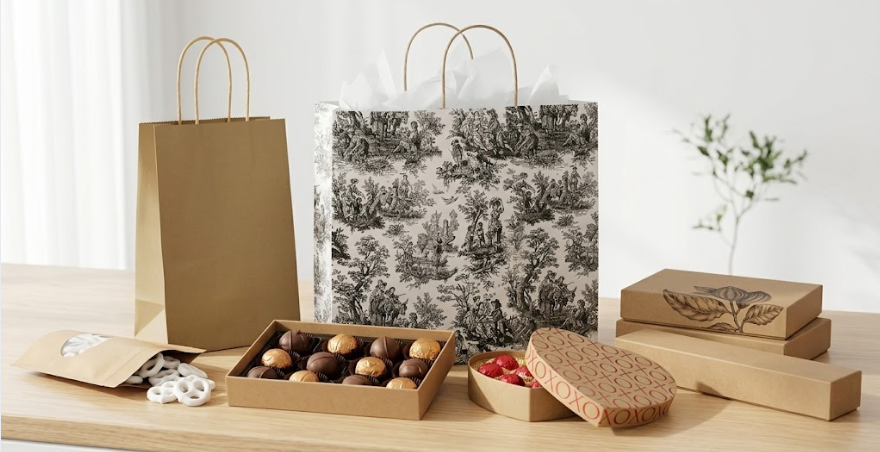
For gourmet food producers, this shift is key. Packaging serves as the initial touchpoint for consumers, distributors, and buyers alike. Long before a buyer tastes a product, its container narrates a story of quality. Whether it is a clean white folded bag, a textured wrap, or a matte kraft surface, these materials signal craft and care.
This evolution is more than just a passing sentiment; it represents a fundamental structural transformation in the perception and consumption of high-end confectionery and gourmet goods.
The Tactile Power of Paper
For specialty food brands and artisan confectioners, the tactile nature of paper serves as an influential storytelling instrument. When a retail distributor or wholesale buyer evaluates paper-based packaging, it conveys several key messages:
A dedication to detail and an impression of handcrafted quality.
Alignment with "artisan" or "small-batch" market positioning.
An approachable, organic aesthetic that appeals to the modern gourmet consumer.
Sustainable Food Packaging: A Business Imperative
The shift toward paper isn't just aesthetic. It's financial and regulatory. Several U.S. states are implementing extended producer responsibility (EPR) programs that mandate participation in a producer responsibility organization (PRO).
These programs require reporting on packaging types and volumes entering the market and collect fees to fund recycling infrastructure upgrades. Compostable packaging or recycle-ready sustainable food packaging carries lower fees than conventional plastic options.
The Oregon Recycling Modernization Act illustrates this shift. Starting in 2025, it established a system in which producers must join a PRO and cover program costs through a producer-funded model. Colorado’s program similarly requires producers of covered materials to form or join a PRO to coordinate and finance statewide recycling services.
Switching to paper-based or compostable materials isn't just the right environmental choice; it's also a cost management strategy.
Uncompromising Design in Sustainable Food Packaging
The notion that paper packaging restricts creative expression is a common fallacy. In reality, paper serves as an exceptional canvas, accommodating vibrant printing, diverse finishes, and numerous form factors, including liners, pouches, bags, and boxes.
Gourmet food and confectionery brands can leverage this versatility through several key advantages:
High-fidelity, full-color printing for intricate branding and seasonal updates.
Diverse structural configurations, from simple flat wraps to complex rigid boxes with custom inserts.
A wide palette of textures that communicate unique brand stories.
Customizable surface treatments and labels optimized for gifting or retail environments.
Protection That Performs
Paper packaging has earned a reputation for softness, but modern paper solutions are engineered for performance. Barrier coatings and laminate options now allow paper to protect against grease, moisture, and oxygen transfer without sacrificing compostability or recyclability.
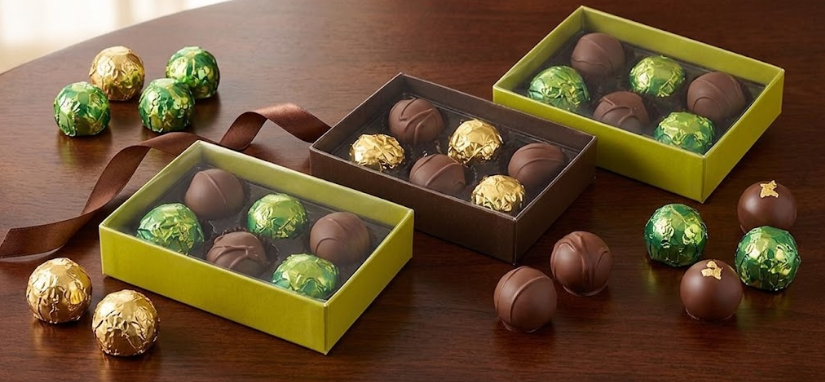
For delicate confections like chocolate, pralines, or pastries, this matters. Proper barrier properties preserve freshness and protect product integrity through shipping, storage, and retail display. Paper doesn't mean fragile. It means purposeful engineering with the right materials for the right product.
Partner With Us to Create Your Paper Packaging Strategy
At Glerup Revere Packaging, we understand that you don’t make packaging decisions in a vacuum. You're balancing brand identity, functional requirements, sustainability goals, and budget realities all at once. We're here to help you navigate that.
Our stock inventory includes food-safe paper bags, boxes, pouches, and foil sheets, all ready to ship within 24 hours. For brands that need something more tailored, our team can develop custom solutions designed for your product, your aesthetic, and your sustainability commitments.
If you're ready to explore sustainable food packaging that works as hard as your product does, browse our stock offerings or reach out to our team directly. Let's build something worth opening.
Frequently Asked Questions
Is paper packaging suitable for products with long shelf lives?
Yes. Modern paper packaging can be paired with food-safe barrier coatings that protect against moisture and oxygen. This makes it viable for products like roasted nuts, dried fruits, coffee, and shelf-stable confections that require extended freshness windows.
How do I communicate my packaging's sustainability to retail buyers and end-consumers?
The packaging itself is a starting point, but labeling matters too. Look for certifications like compostable seals or recyclability symbols that are immediately recognizable. Clear, honest on-pack messaging, rather than vague claims like "eco-friendly", builds trust with both retail partners and the end-consumer.