
Apr 9th 2026
Equipment Buyer's Guide: Selecting the Right Sealing Technology for Your Operation
Reliable sealing is a critical step in food packaging. It protects product freshness, prevents contamination, and ensures packages arrive intact through shipping and handling. Selecting the right equipment requires careful evaluation because the technology chosen today will influence operational efficiency for years. For manufacturers, food packaging equipment must do more than close a bag or container. It must align with production goals, comply with safety regulations, fit within existing facilities, and remain dependable under daily use.
A well-matched system supports consistent results while minimizing downtime. Operations managers, therefore, benefit from approaching equipment selection with a clear understanding of both present needs and future growth.
Evaluate Food Packaging Equipment Production Volume and Growth Plans
Production output is one of the most important considerations when choosing sealing technology. Equipment that works well for a small operation may quickly become a bottleneck once demand increases.
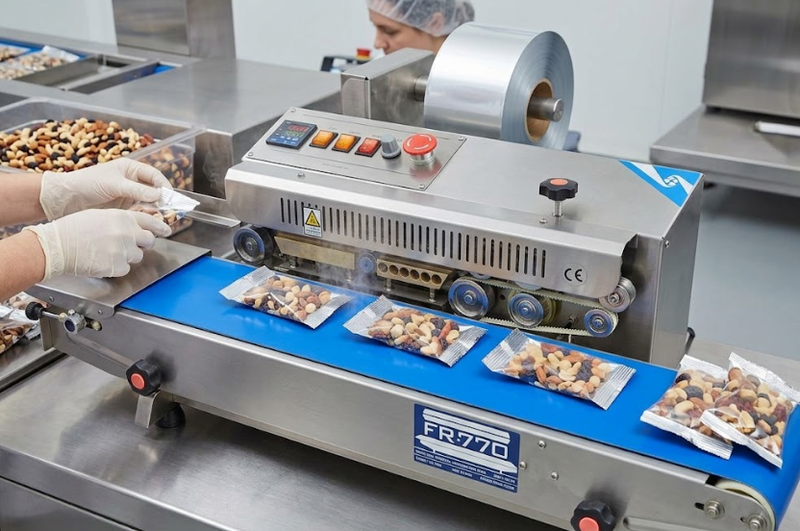
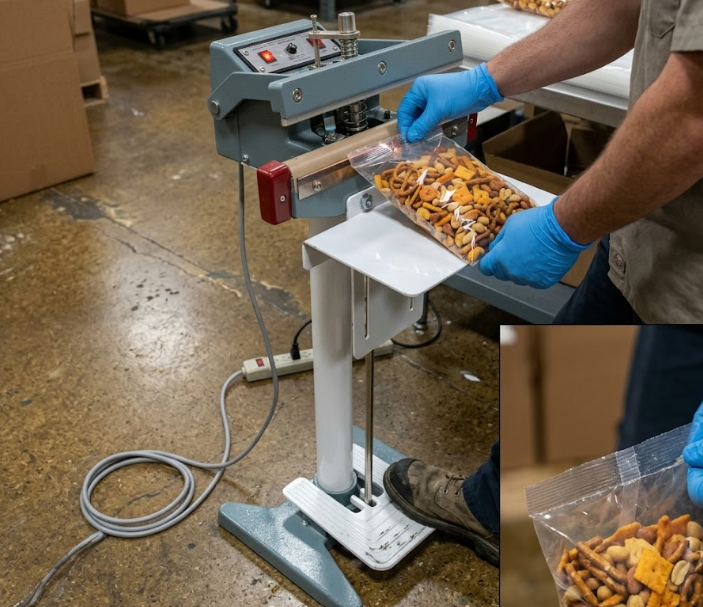
Low-volume environments often benefit from tabletop or manual solutions. These systems offer flexibility and require minimal setup, making them useful for startups or specialty food producers. A compact sealing machine can handle smaller runs without requiring a large capital investment.
Mid-size manufacturers may require semi-automated solutions. These systems typically improve speed and consistency while still allowing operators to monitor the process closely. Increased output can often be achieved without major changes to staffing levels.
High-volume facilities usually require fully automated packaging equipment. Integrated lines can seal hundreds or even thousands of units per hour, depending on the product format. Automation improves throughput while also reducing variability between packages.
Future growth should remain part of the conversation during equipment planning. Selecting technology that accommodates moderate expansion can prevent the need for another major purchase within a short time period.
Consider Facility Space and Production Flow
Every manufacturing environment operates within physical limitations. Floor space, electrical access, and workflow patterns all influence which equipment types are practical.
Some sealing solutions occupy only a small workstation footprint. These units work well in kitchens, specialty confectionery shops, or pilot production environments where flexibility matters more than speed.
Larger automated systems require more floor area along with adequate room for operators, maintenance access, and material staging. Introducing new machinery into an existing line can also influence how products move between processing, filling, and packaging stations.
Before investing in new technology, many operations perform a layout assessment. This review identifies how a new sealing machine will integrate with current processes without creating congestion or workflow interruptions. Careful planning helps ensure that the selected packaging equipment enhances efficiency rather than complicates production logistics.
Confirm Compliance With Food Safety Requirements
Food safety regulations play an essential role in equipment selection. Machinery used in food production must comply with recognized standards to ensure sanitary operation and regulatory approval.
In the United States, manufacturers often look for equipment designed to support compliance with Food and Drug Administration guidelines. Facilities that process meat or poultry may also need to consider United States Department of Agriculture requirements.
Hygienic design is another important consideration. Equipment featuring smooth surfaces, sealed components, and corrosion-resistant materials can be cleaned thoroughly during sanitation procedures. This reduces the risk of contamination and helps maintain safe processing conditions.
Certifications from recognized organizations can provide additional assurance. Equipment that meets established safety standards gives operators confidence that it has been engineered for food production environments.
Choose a Food Packaging Equipment Supplier With Strong Support and Expertise
The relationship with the equipment supplier often becomes just as important as the machinery itself. Even well-built systems occasionally require maintenance, adjustments, or operator training.
Established vendors typically provide onboarding guidance to help teams learn how to operate new equipment safely and efficiently. Training sessions allow operators to understand proper settings, troubleshooting procedures, and routine maintenance practices.
Reliable technical support is also valuable. When unexpected issues arise, access to knowledgeable technicians can reduce downtime and keep production running smoothly.
Spare parts availability represents another key factor. Suppliers with established distribution networks can often provide replacement components quickly, preventing prolonged interruptions.
A strong reputation in the industry often signals that a vendor has delivered dependable service over many years. Manufacturers frequently rely on recommendations from peers, industry associations, or long-term partners when evaluating suppliers.
Find The Sealing Technology That Fits Your Operation
Selecting the right sealing system requires balancing multiple factors, including production volume, facility layout, regulatory compliance, and supplier expertise. Operations that evaluate each of these elements carefully often achieve better long-term results.
Glerup Revere Packaging works with food manufacturers to provide both packaging materials and food packaging equipment designed for reliable performance.
If your operation is evaluating a new sealing machine or expanding an existing packaging line, our experienced team can help you explore equipment options that align with your production needs. Reach out to our Glerup Revere packaging experts to discuss sealing technology that supports efficient, compliant food packaging operations.