

Mar 6th 2026
Communicate Your Sustainability Story on Your Food Packaging Design
Vague environmental claims don't fool anyone, not consumers, retailers, auditors, or regulators. But you don't need lengthy explanations on your packaging to show your commitment to sustainability. What matters is a straightforward story, backed by evidence, that shoppers can grasp at a glance. Food packaging design is where marketing, compliance, and consumer trust converge. Done right, it sets clear expectations, safeguards your credibility, and gives customers confidence to buy from you repeatedly.
Start With Claims You Can Prove
Sustainability messaging should begin with documentation, not brainstorming. Before you write a single line, confirm what you can support with specs, certifications, or supplier statements.
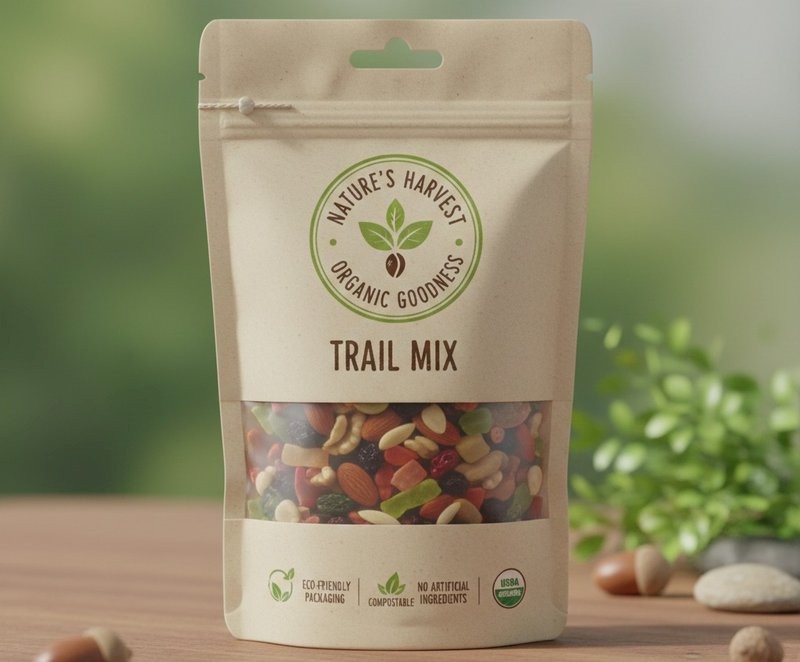
A practical approach is to choose one primary claim and one supporting detail. Examples include “recycle-ready where facilities exist” plus a short line that clarifies how to dispose of it. Or “certified compostable” plus the certification name and disposal context. Keep it specific, and avoid sweeping language like “planet safe.” Those phrases are hard to defend and easy to challenge.
Also, match the claim to what matters for your product category. For confectionery products, barrier protection and freshness are non-negotiable, so don't imply you're sacrificing performance for sustainability. When your packaging preserves product quality and improves disposal outcomes, say so directly. If the improvement is limited, be honest and keep the claim narrow.
Use the Food Packaging Design Hierarchy to Make the Story Scannable
Most shoppers will not read your entire label. They will scan. That means your sustainability story needs a visual structure. Think in three layers:
First, a front-of-pack signal. This is a short phrase or icon that sets the theme. Keep it tight so it does not compete with flavor, product name, or net weight.
Second, a “proof point” zone. This can live on a side panel, back panel, or near the nutrition label. Here you can add the specifics: certified compostable, recycle-ready instructions, percentage of post-consumer content, or a QR code that links to details.
Third, a disposal moment. This is where you tell people what to do next. Clear instructions reduce contamination and customer frustration. If a material is only accepted in certain streams, say so. A backyard compostable versus an industrial compostable needs the difference clarified.
Design also communicates intent. Use of and consideration of white space, font choice, and consistent placement can make your sustainability message feel trustworthy rather than tacked on. When the story looks considered, it feels more believable.
Choose Materials and Formats That Support the Message
Your messaging should follow the packaging material choice, not the other way around. A strong sustainability story often starts with a realistic decision: improve recyclability, reduce unnecessary components, or shift to compostable structures that still perform for the product.
If you use flexible packaging, pay close attention to how recycling guidance is handled. Many buyers assume all pouches go in curbside bins, which is often not true. If the package is recycle-ready, add the disposal context clearly. If it is not, consider alternative formats or add information through a QR code to explain why you chose that structure and what steps the consumer can take.
Paperboard, coatings, and windows can complicate recyclability. You can still use them, but be deliberate. If a feature reduces recyclability, do not overclaim. Instead, highlight what is improved, such as right-sizing, reduced material weight, a shift to better-managed fiber sources, or the use of water-based inks in the production of your packaging.
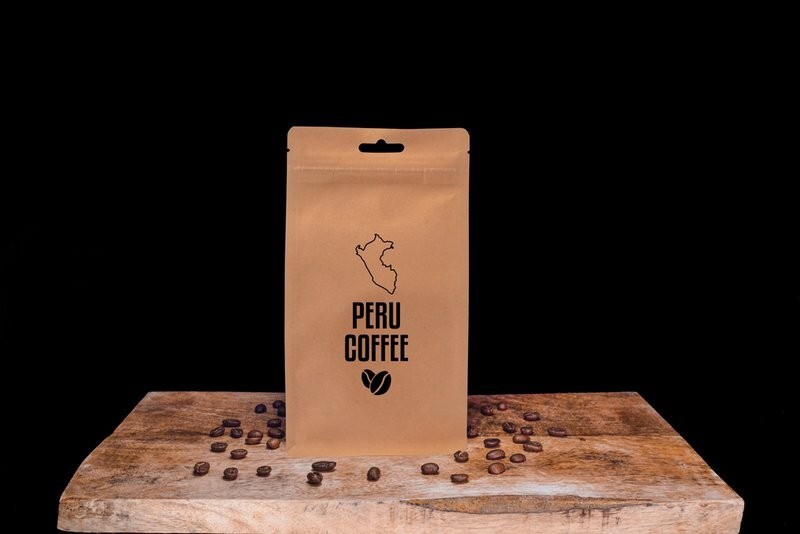
Also consider seasonality. Limited-time art is a great way to highlight progress without redesigning the entire pack. A small callout, such as “now in recycle-ready film” or “updated materials for improved recovery,” can be paired with a landing page that provides full context.
Prepare for EPR Reporting and a Changing Compliance Landscape
Sustainability messaging is no longer only a marketing decision. Several U.S. states are implementing extended producer responsibility (EPR) programs that mandate producer participation in a producer responsibility organization (PRO). These programs require reporting on packaging types and volumes entering the market, and collect fees to fund recycling infrastructure upgrades.
Oregon’s Recycling Modernization Act, for example, creates a producer-funded system and has program changes that began in 2025, with producers joining a PRO and supporting the system costs. Colorado’s program similarly requires producers of covered materials to form or join a PRO to coordinate and finance statewide recycling services.
What does this mean for your packaging story? Two things:
First, the “what” matters as much as the “how.” Material type, weight, and format can affect fees and reporting obligations, depending on the jurisdiction and rule set. Second, your internal data needs to be clean. If you cannot quickly identify packaging components, resin types, and volumes, compliance work becomes painful.
A smart step is to align packaging selection, documentation, and on-pack messaging early. That way, your sustainability story stays consistent across marketing, retailer requirements, and reporting.
Turn Your Sustainability Story Into a Packaging Plan
If you want your sustainability message to feel clear and defensible, start with the packaging itself. Glerup Revere Packaging helps food manufacturers choose structures and formats that fit product needs while supporting credible sustainability communication, from material selection to label layout and seasonal refreshes.
If flexible formats are part of your mix, Glerup Revere also stocks raw materials and produces flexible packaging options that are compostable or recycle-ready. As EPR programs expand, many producers are seeing real financial reasons to move toward more sustainable structures since fee models are based on packaging type and volume. If you need help connecting the dots between material choice, food packaging design, and practical compliance readiness, let’s connect to talk through options.