
Feb 20th 2025
Choosing the Perfect Pouch for Confectionery and Specialty Foods: A Comprehensive Guide
What you need to know about pouches
When it comes to packaging candy and specialty foods, choosing the right pouch is essential for both product appeal and shelf-life. The right pouch not only attracts customers with visual appeal but also ensures freshness, durability, and ease of use. Whether you’re considering stock pouches or custom-printed options, here’s what you need to know to select the perfect pouch for your product.
Understand your product's needs
Each type of food has unique packaging requirements, and chocolates and other confectionery are no exception. Chocolate needs protection from light and moisture, while stickier candies may require additional barriers to prevent them from adhering to the packaging itself. Nuts and specialty snacks also need air-tight packaging to preserve freshness. Knowing your product’s specific requirements will guide you in selecting the right materials and pouch styles.
Consider pouch materials
The material you select plays a critical role in protecting your product:
- Plastic Laminates: These multi-layered materials offer excellent barrier protection against oxygen, moisture, and UV light, making them ideal for most candy, snacks, and other specialty foods.
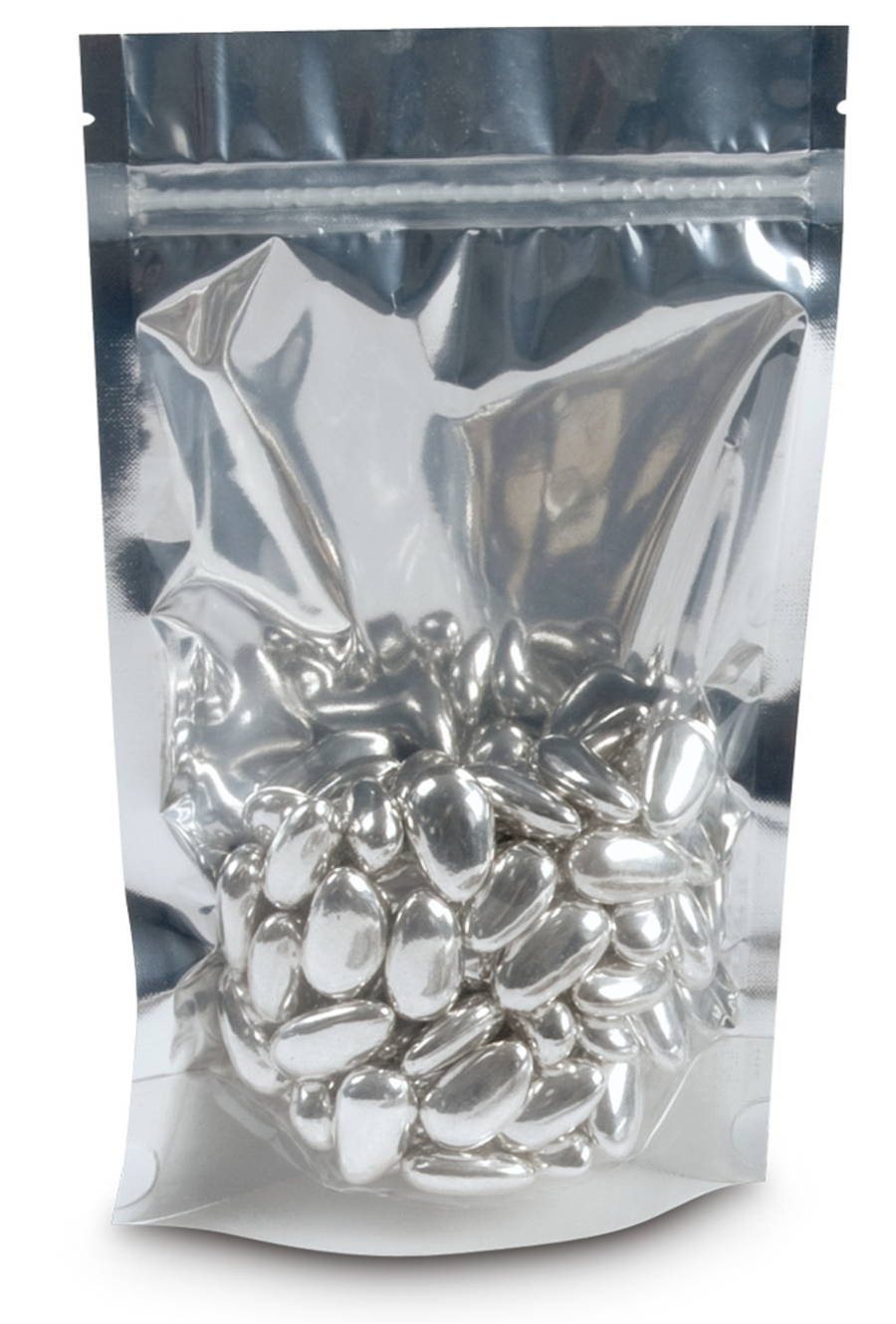
- Foil: Known for its exceptional barrier properties, foil is ideal for products that require maximum freshness and light protection, such as chocolates or organic snacks.
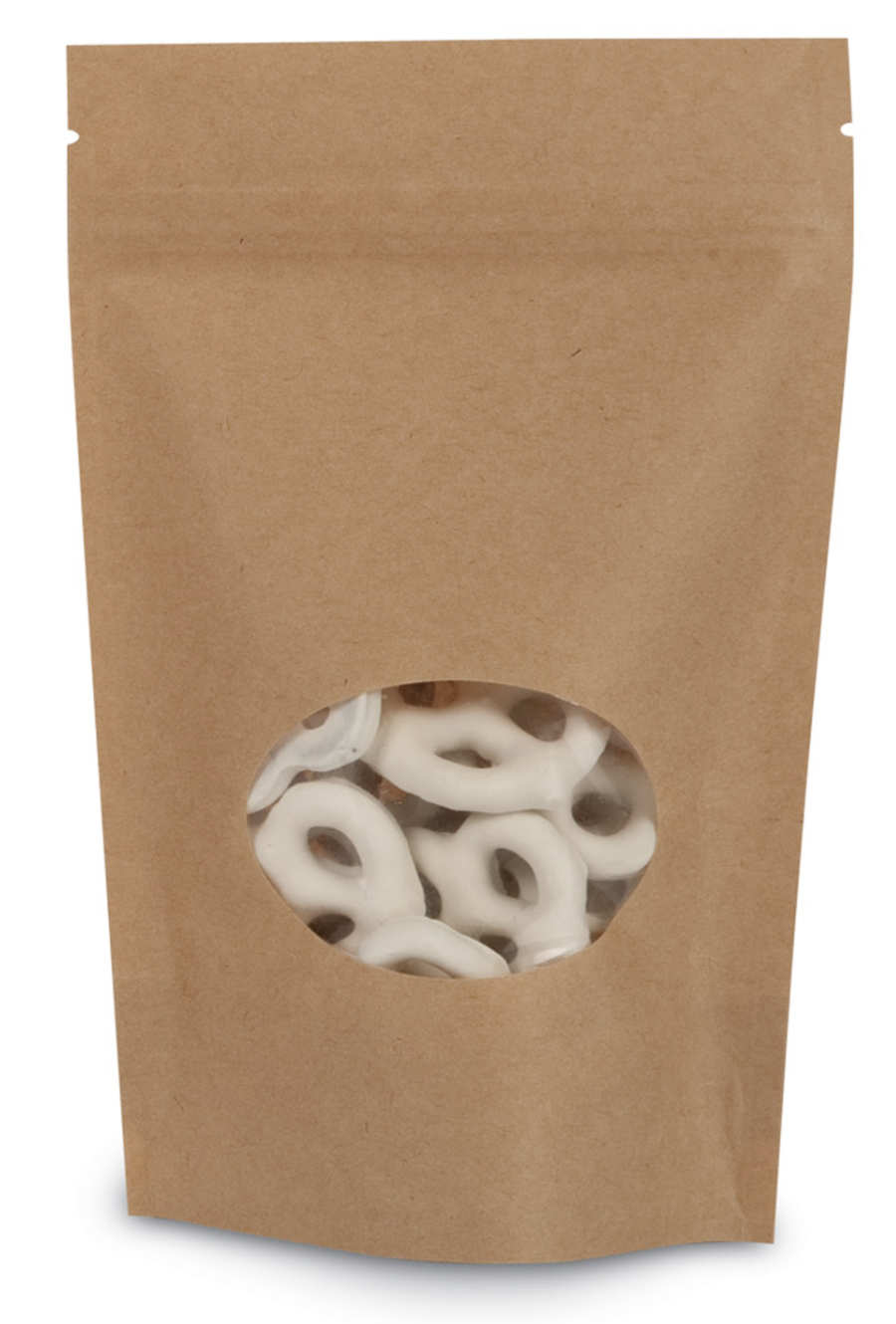
- Eco-Friendly Options: If your brand prioritizes sustainability, consider pouches made from recyclable or compostable materials. Sustainable options can enhance brand appeal, especially for eco-conscious consumers.
Select the best pouch style for your product
Flat pouches, stand-up pouches, and box pouches are all flexible packaging formats used in specialty food and confectionery, but they serve different purposes and offer distinct advantages in terms of presentation, functionality, and cost. Here’s how they compare:
Flat Pouches (Pillow Pouch or Three-Side Seal Pouch)
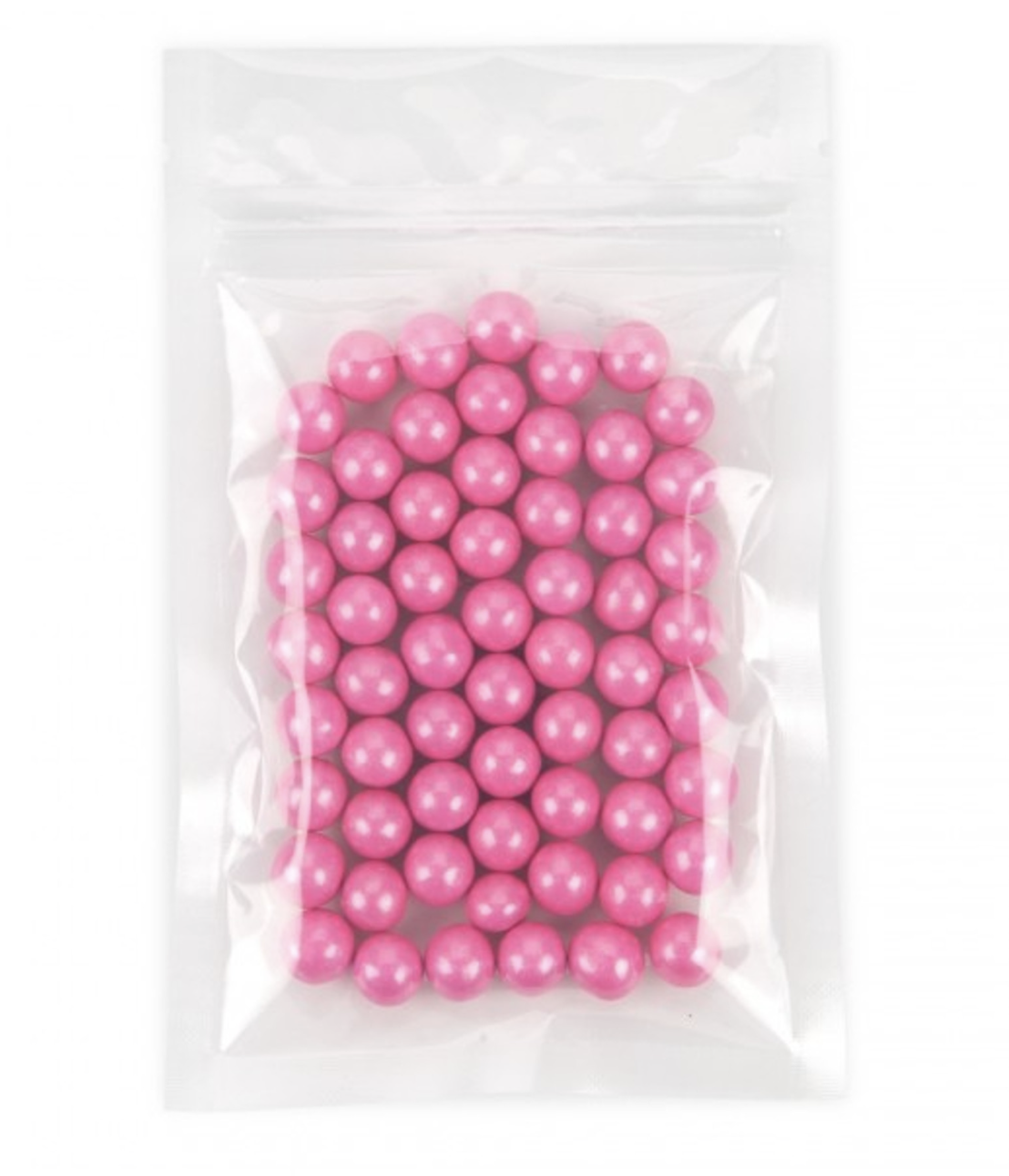
Best for: Small, single-use, or lightweight products
- Structure: A simple, two-dimensional, sealed pouch with no gussets or bottom expansion.
- Shape: Completely flat when filled, like a sachet or envelope.
- Sealing & Closure: Usually heat-sealed on three or four sides; may include tear notches for easy opening.
- Storage & Space Efficiency: Lays flat, making it highly compact and cost-effective for shipping.
- Usage: Great for single-serve snacks, seasonings, powdered mixes, coffee samples, and small candies.
Pros:
• Lower cost due to minimal material usage
• Easy to store and ship in bulk
• Works well for portion-controlled or single-use items
Cons:
• Doesn’t stand upright, limiting shelf visibility
• Less capacity
Stand-Up Pouches
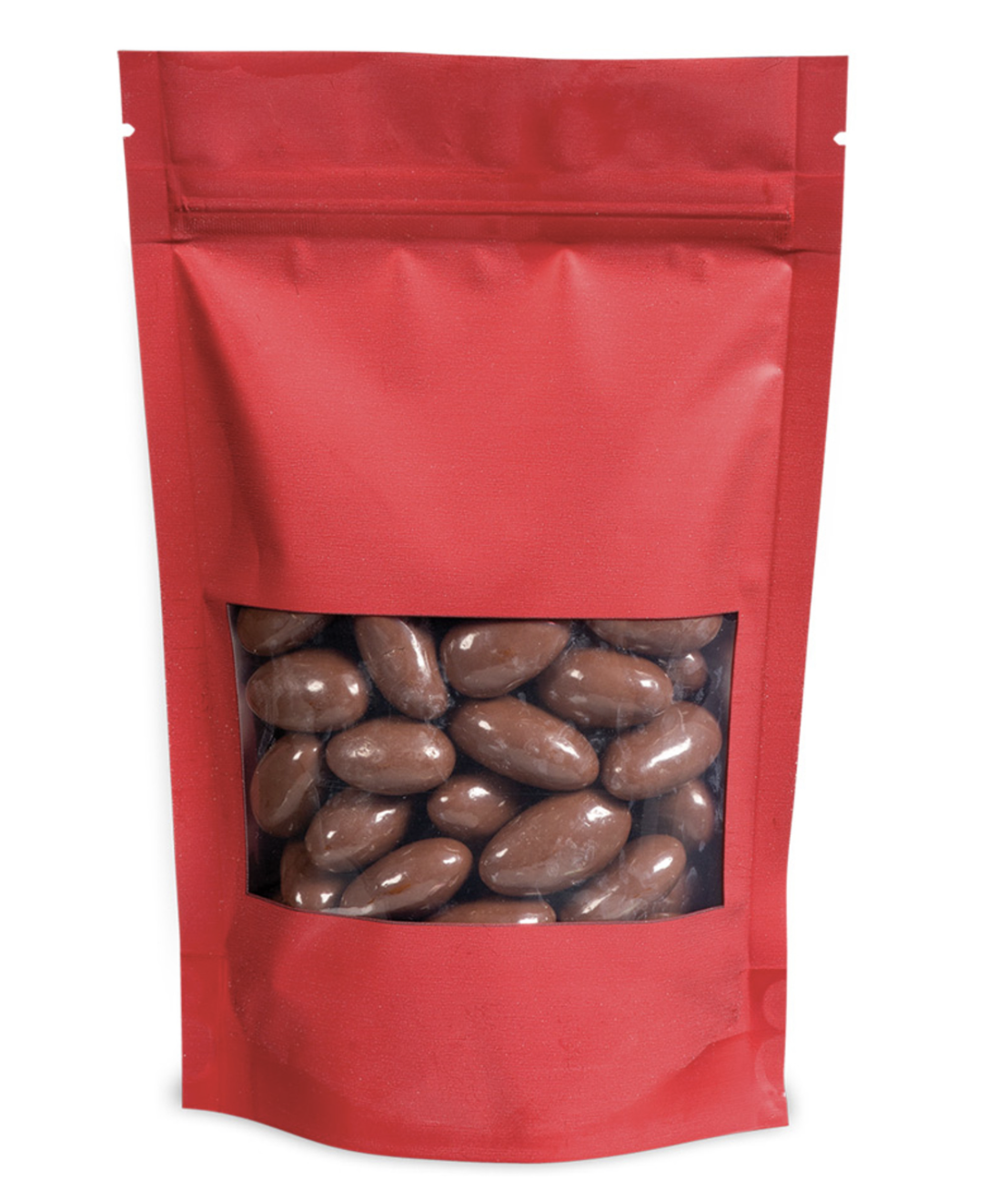
Best for: Snacks, confectionery, and lightweight dry goods
- Structure: Has a bottom gusset that expands when filled, allowing it to stand upright.
- Shape: Flexible with a rounded or oval bottom when filled.
- Sealing & Closure: Can include resealable zippers, spouts, or tear notches.
- Storage & Space Efficiency: More compact than a box pouch but bulkier than a flat pouch.
- Usage: Used for nuts, granola, candies, dried fruits, and more.
Pros:
• Stands up on shelves, improving visibility
• More storage capacity than flat pouches
• Resealable options improve product freshness
Cons:
• Less stable than a box pouch, especially if not fully filled
• Can be more expensive than flat pouches
Box Pouches (Flat-Bottom Pouch)
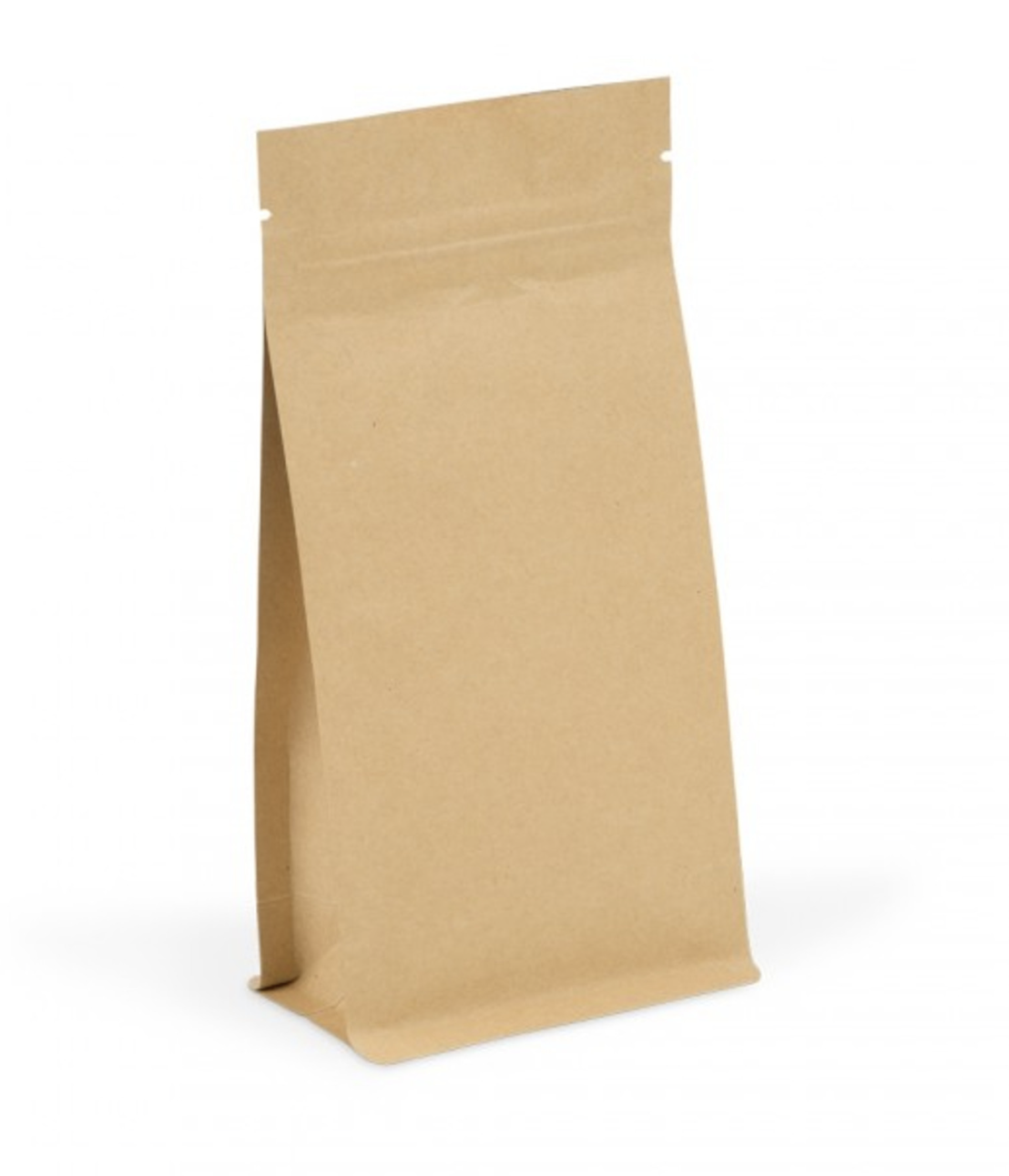
Best for: Premium, high-volume, or bulk specialty food products
- Structure: A box-like flexible pouch with a flat bottom and side gussets, giving it more rigidity.
- Shape: More squared-off and structured compared to a standard stand-up pouch.
- Sealing & Closure: Often comes with resealable zippers or tear notches.
- Storage & Space Efficiency: Stacks better than stand-up pouches; more efficient shelf space use.
- Usage: Common for coffee, premium chocolates, specialty foods, and bulk goods.
Pros:
• Stands upright with a sturdy, premium look
• Holds more volume than a standard stand-up pouch
• Can be stacked neatly for better storage and display
Cons:
• More material is used, making it more expensive
Consider clear or windowed pouches for visibility
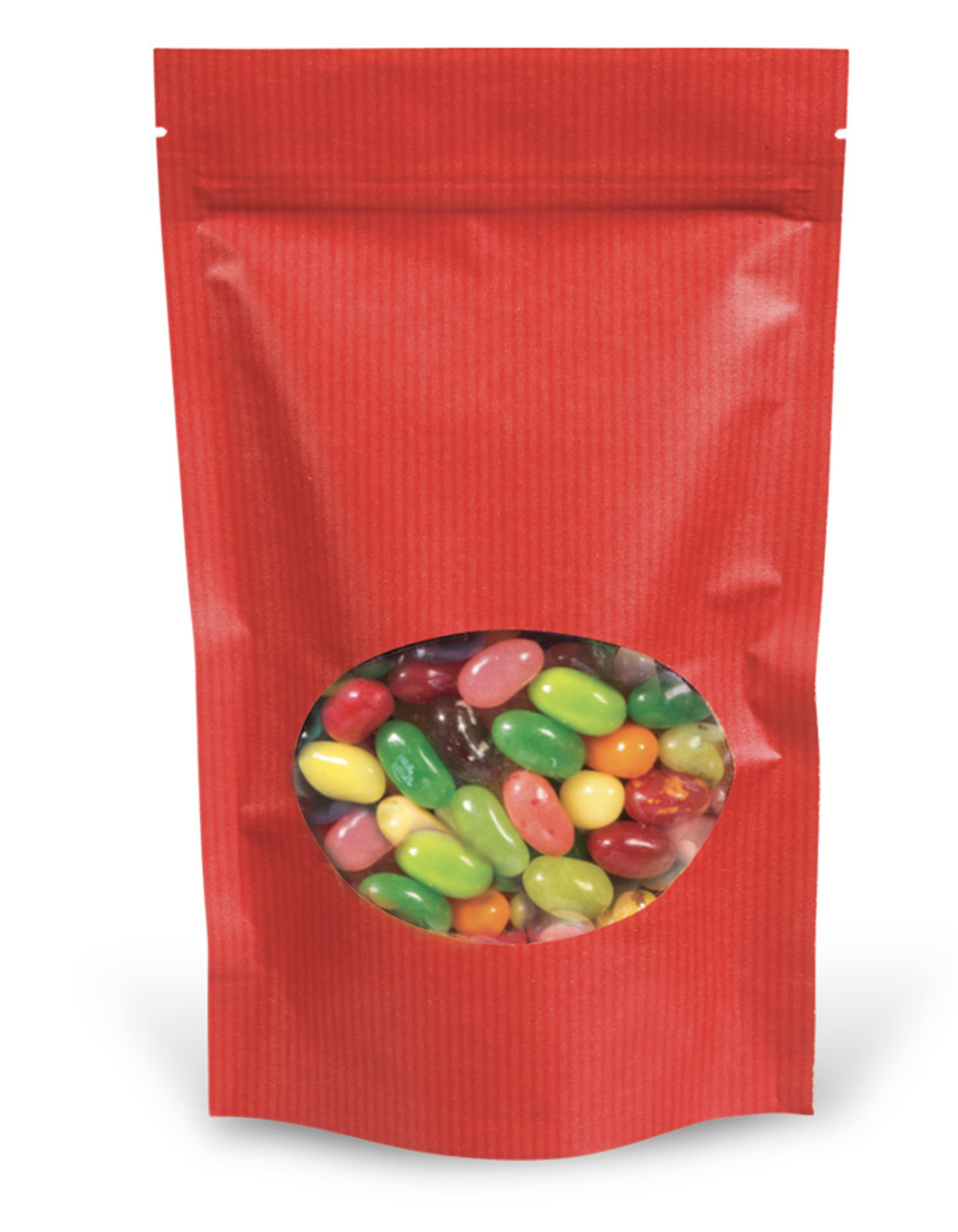
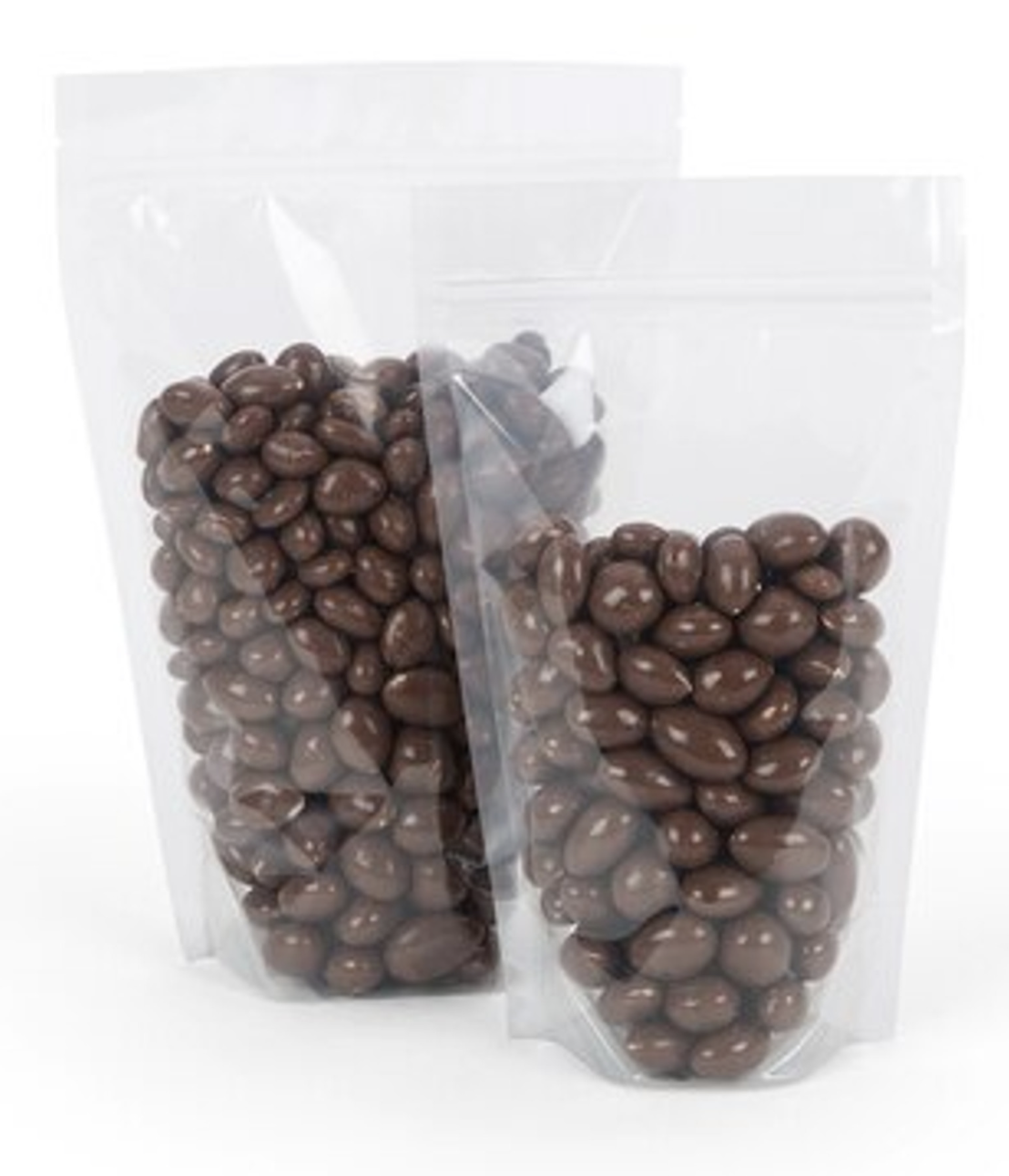
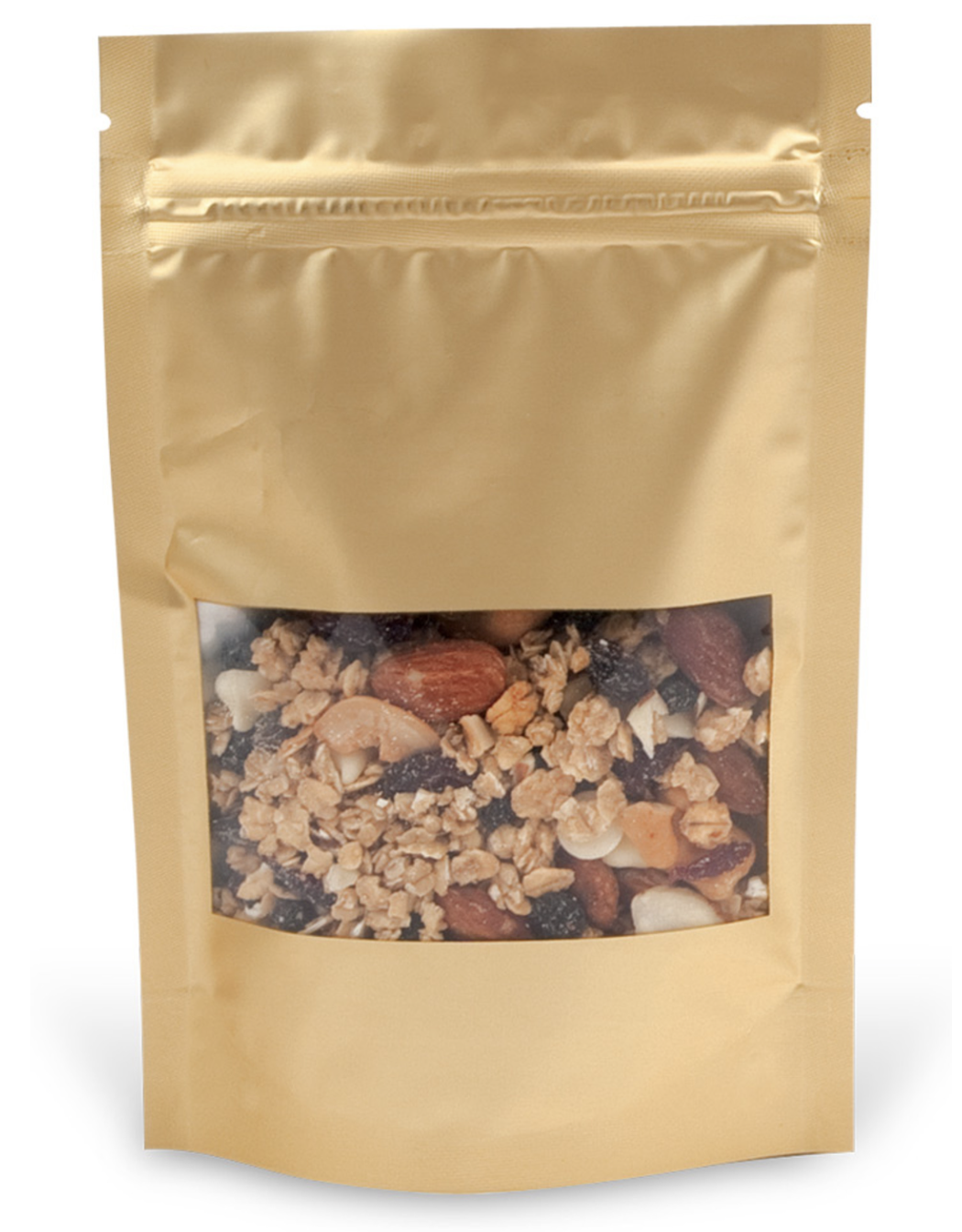
Clear or windowed pouches allow consumers to see the product inside, which can be particularly appealing for colorful candies, trail mixes, and unique specialty snacks. A transparent section can showcase quality, while a custom design on the rest of the pouch maintains brand identity.
For more branding impact, go custom
Custom-printed pouches are an excellent way to stand out. With high-definition HD Flexo printing, like we offer at Revere Flexpak, you can create vivid designs that showcase your brand’s personality and make your packaging instantly recognizable. Consider incorporating bold colors, fun graphics, or a clean, minimalist look that resonates with your target audience.
Evaluate pouch sizes carefully
Size is important for both visual appeal and functionality of your confectionery and specialty food packaging. Oversized pouches can make your product seem insubstantial and may come off as wasteful. Choose sizes that fit your product’s portion perfectly, whether for grab-and-go snacks, family-sized bags, or sample sizes. Be certain to understand the fillable size for the pouch you’re considering. Refer to our blog on how to measure packaging.
Factor in the type of closure or seal
Closures like zippers, tear notches, and heat seals not only add convenience but also impact product freshness. For candies and snack items, a resealable zipper can enhance consumer satisfaction by keeping contents fresh. Single-use items may only require a simple tear notch, and you might consider cold seal film, which can be more cost effective. Premium products, however, benefit from closures that convey quality and care.
Prioritize food safety and compliance
Packaging for food products must meet strict safety standards. Ensure your pouches comply with FDA regulations for food safety and are made from food-grade materials. Compliance and quality assurance are particularly critical for specialty items like organic or allergen-free snacks, as these customers are often vigilant about food safety. For manufacturers, printers, and other suppliers that work with the specialty food industry, Hazard Analysis and Critical Control Points (HACCP) certification is essential. Our custom packaging division, Revere Flexpak, has HACCP certification.
Test your packaging with consumers
Conduct a trial run by testing your pouch with a sample group of customers or in a small-market release. Their feedback on factors like ease of use, freshness, and visual appeal can provide valuable insights that may help you refine your packaging selection. This can be a great use of stock packaging, where minimum order quantities are lower. Once a market fit for your product is established, you can have custom pouches created.
Bottom line
Selecting the perfect pouch for confectionery and specialty foods requires a balance of practicality, branding, and understanding your customers’ preferences. From stock pouch options to custom-printed pouches, the choice of materials, style, and design should align with both your product’s needs and your brand’s values. By choosing the right packaging, you can enhance product appeal on the shelf, ensure freshness, and make a lasting impression that drives repeat purchases.